AI security training has officially stepped into its main character era.

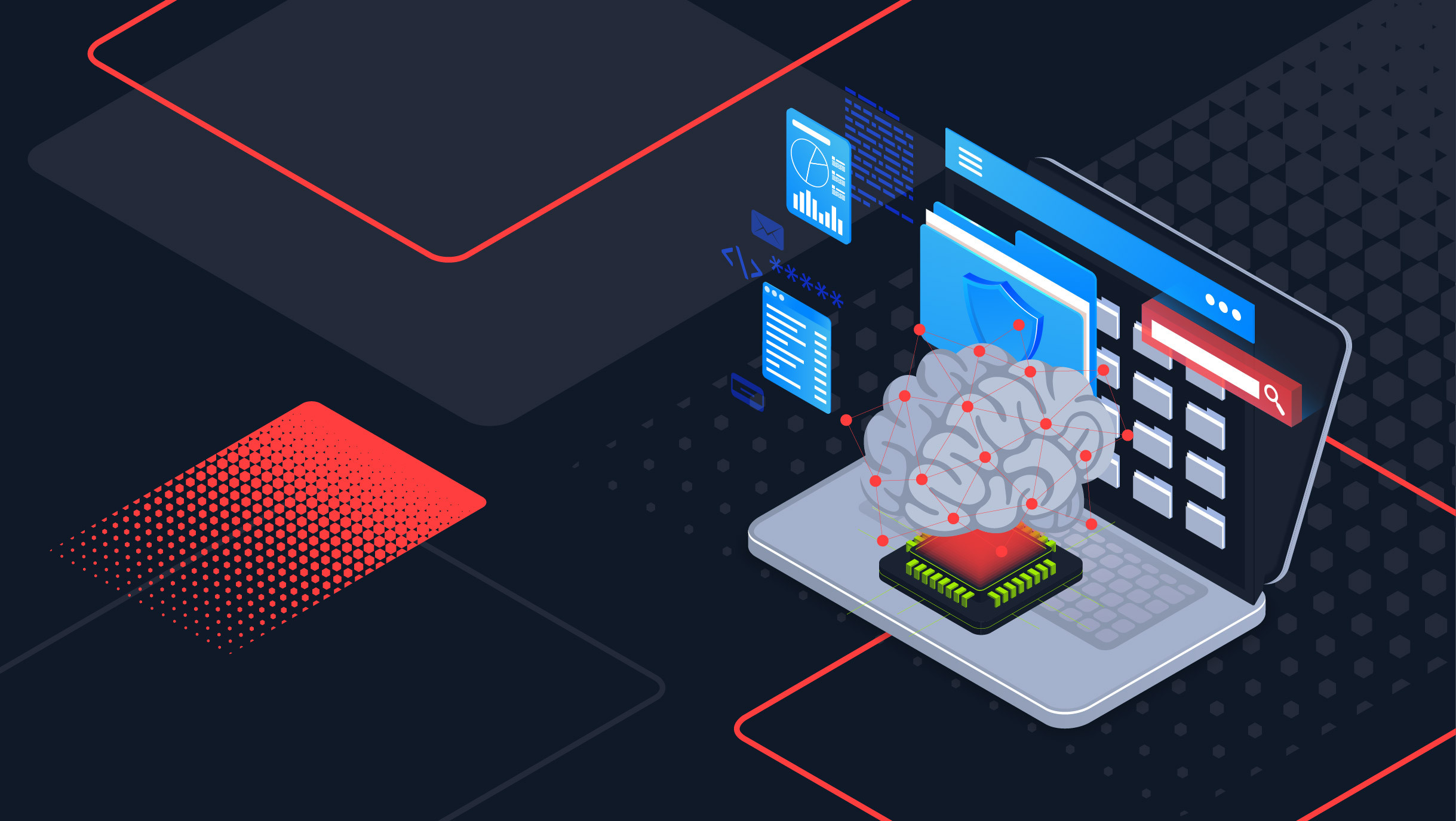
Over the past year, AI red teaming has gone from a cute curiosity to boardroom priority; LLM jailbreaks are doing the rounds on social media, model extraction attacks are quietly bleeding IP, and regulators are circling like extras in a dystopian sci-fi sequel. Offensive AI skills are still top of the agenda, but offense alone doesn’t win wars. Defense does.
That’s why we’ve officially completed HTB’s AI Red Teamer Path (created in collaboration with Google) with two crucial defensive AI security modules. This full-spectrum curriculum covers offensive AI techniques, defensive controls, and privacy-centric protections. Let’s get into the details.
Table of Contents
A complete AI red teamer needs both the dark arts and the shield
Early AI security conversations obsessed over how to break models. Prompt injection. Jailbreaks. Data poisoning. Fun? Totally. Sufficient? Nope.
Real-world AI systems live in production, touch sensitive data, and sit under growing regulatory scrutiny. Organizations don’t just need professionals who can break AI; they need people who really understand how to defend, monitor, harden, and govern it.
And our 100% completed AI Red Teamer Path now delivers that coveted balance:
-
Offensive AI techniques to understand how models fail
-
Defensive AI strategies to prevent, detect, and respond
-
Privacy-first thinking to stop data leakage before it starts
Join the next phase of AI red teaming
AI privacy: Your model knows what you did last summer
Let’s start with the silent assassin of AI security: privacy. LLMs don’t need to be hacked to cause damage. Sometimes, they just know a bit too much.
With that in mind, the AI Privacy module drops learners straight into the realities of data exposure, covering:
-
Training data leakage and exposure risks in deployed models
-
Membership inference attacks and how attackers confirm whether sensitive data was used during training
-
LLM-specific privacy risks, including unintended memorization and data regurgitation
-
Mitigation strategies grounded in privacy-by-design principles
This isn’t theoretical hand-waving. Learners work through hands-on labs simulating real AI privacy attacks, then apply concrete mitigations to reduce risk. If your compliance team keeps muttering about GDPR, HIPAA, or the EU AI Act, this module is your translator.
Building AI guardrails that actually hold
If privacy is about what your AI remembers, defense is about how it behaves. The AI Defense module focuses on securing AI systems in the real world—where models sit behind APIs, integrate with applications, and attract curious attackers at scale.
Here, learners tackle:
-
Threat modeling for ML systems, from data pipelines to inference endpoints
-
Defensive strategies like monitoring, validation layers, rate limiting, and guardrails
-
Adversarial robustness and model hardening techniques
-
Red team and blue team synergy, because silos are how breaches happen
Practical exercises walk through securing deployed models against common abuse patterns, bridging the gap between “we trained it” and “we trust it in production.”
Why this matters right now
AI adoption is taking off, and so is its attack surface. We’re seeing:
-
A marked increase in LLM jailbreaks, prompt injection, and model extraction attacks
-
Increasing regulatory pressure from frameworks like the EU AI Act and NIST AI RMF
-
A surge in public warnings from AI vendors about misuse, abuse, and cybersecurity risk
What’s still lacking here is structure. Most teams know how to deploy AI agents. Far fewer know how to threat model and govern them.
Frameworks like the OWASP GenAI Security Project help close this gap by providing reference AI agent architectures and threat mappings, making risks like tool misuse, rogue agents, insecure inter-agent communication, and supply-chain compromise easier to identify and reason about.
But the industry still needs to navigate a massive—and growing—skills gap. Plenty of teams know how to deploy AI. Far fewer know how to secure it. That gap is exactly where today’s AI red teamers fit in.
Join the next phase of AI red teaming
Training blue and red teamers is the real endgame
Breaking things gets attention, but fixing them is what builds trust. The completed AI Red Teamer Path is designed for:
-
Red teamers expanding into adversarial AI
-
Blue teamers securing ML systems they didn’t design
-
Security architects threat-modeling AI-powered platforms
-
Organizations serious about AI risk mitigation
This isn’t about chasing hype. It’s about building durable, defensive AI security skills that scale with adoption.
What’s next: Sharpen your skills (and your timing)
The AI Red Teamer Path is now fully live and ready to rock on HTB Academy, bringing you a holistic offensive, defensive, and privacy-focused AI security curriculum.
And watch this space in 2026 because we’re just getting started, with things like a dedicated certification landing in the first quarter of the year.
If AI is already part of your environment, securing it isn’t optional. Train like the attacker, think like the defender, and stay ahead of the curve.
Join the next phase of AI red teaming