
Where real hackers level up.
Start from the absolute fundamentals, move to pure hands-on or competitive training, land your first infosec job position. Ready?
Learn with Academy
Start learning how to hack from the barebones basics!
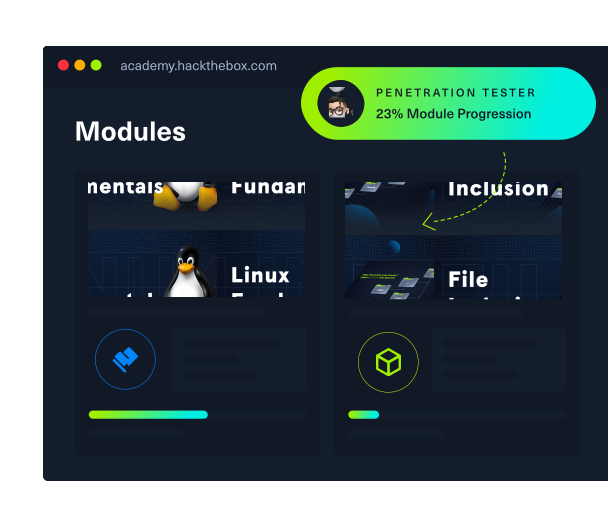
Choose between comprehensive beginner-level and advanced online courses covering offensive, defensive, orgeneral cybersecurity fundamentals.
- Entirely browser-based
- Guided courses for every skill level
- Content by real cybersecurity professionals
- Practice on live targets, based on real-world scenarios

Starting Point
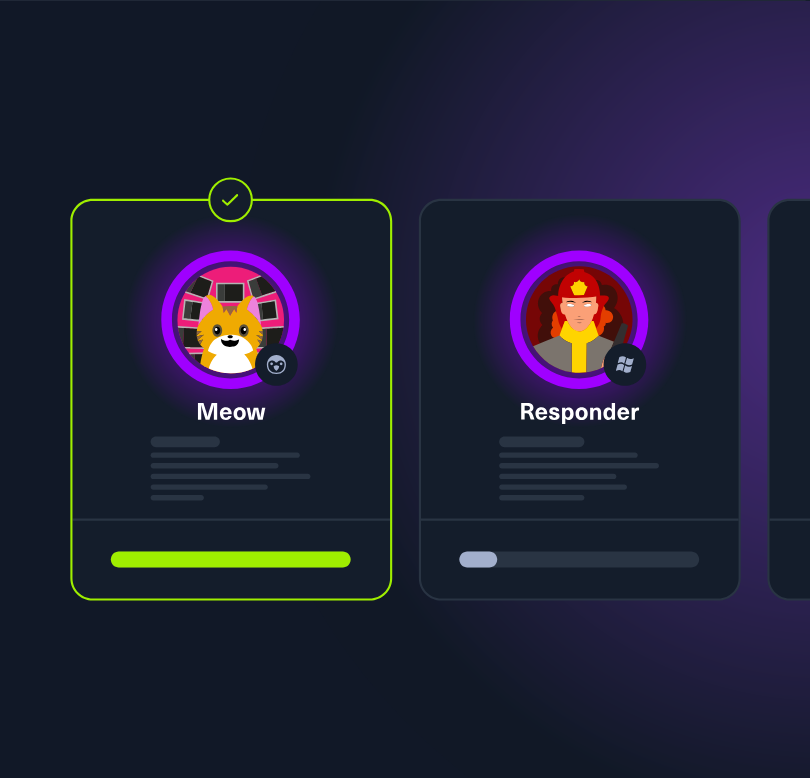
Educational Machines paired with write-ups (tutorials) to give you a strong base of cybersecurity knowledge.

Machines & Challenges
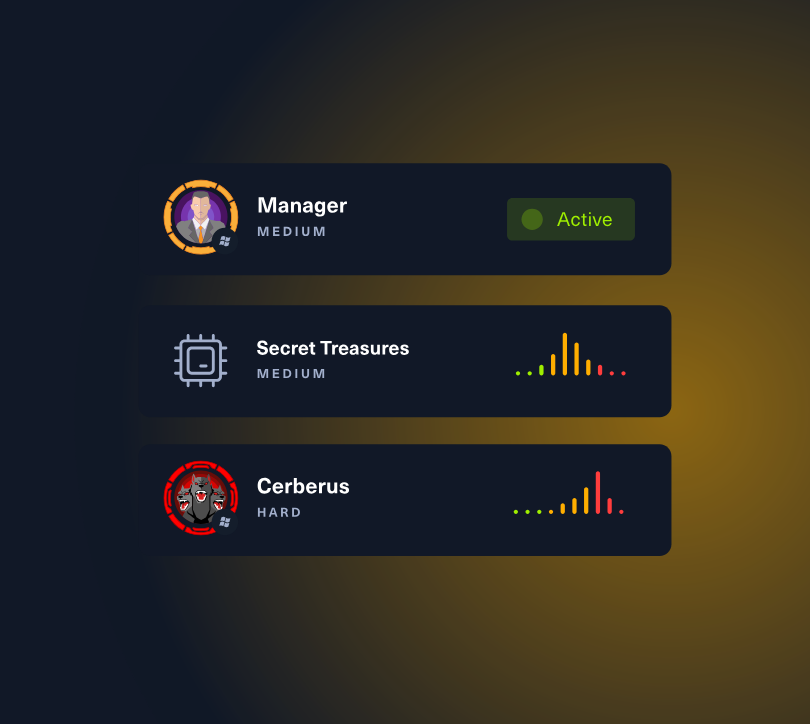
Constantly updated labs of diverse difficulty, attack paths, and OS. Pwn them and advance your hacking skills! New Machines & Challenges every week to keep your hacking skills sharp!

Sherlocks
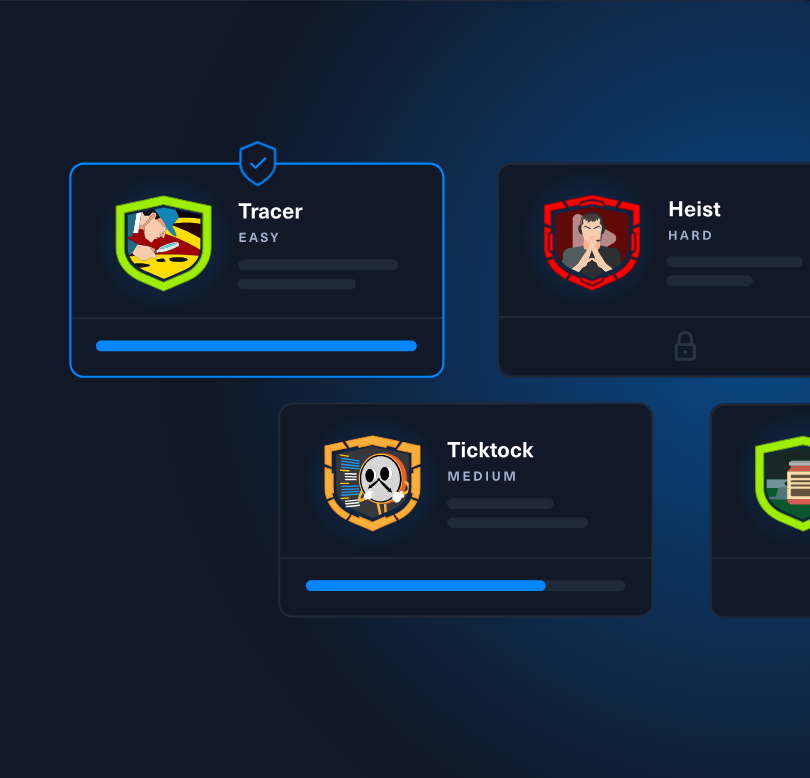
Hands-on investigation labs that simulate real-world cybersecurity incidents and improve the capability to prioritize and analyze attack logs. Investigate the aftermath of a cyber attack and unravel its intricate dynamics using the clues at your disposal.

Tracks
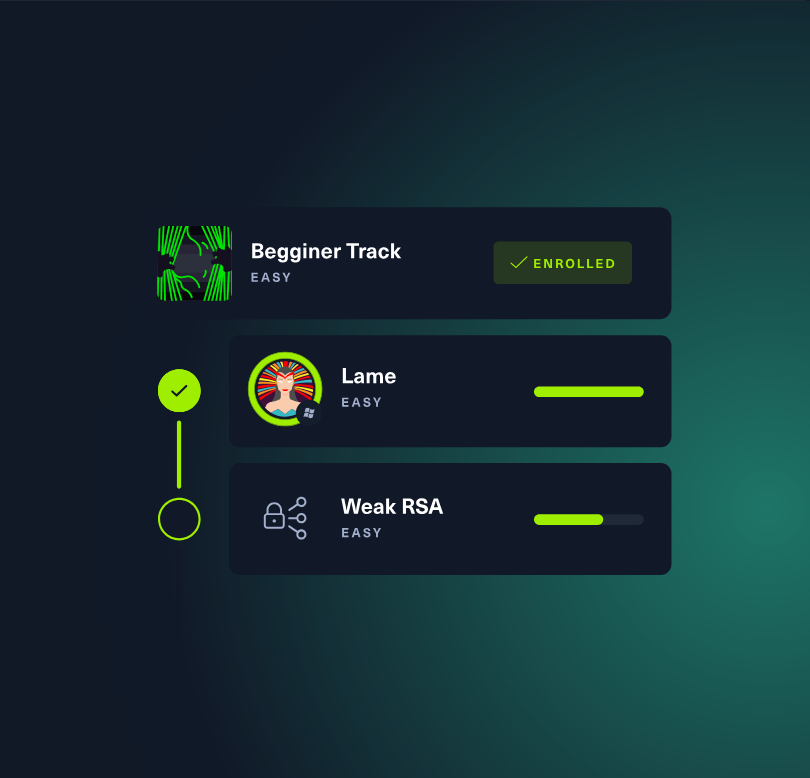
A series of Machines and Challenges tied together for you to progress through and master a particular subject. Binary Exploitation, OWASP Top 10, Blue Teaming, and much more.

Pro Labs
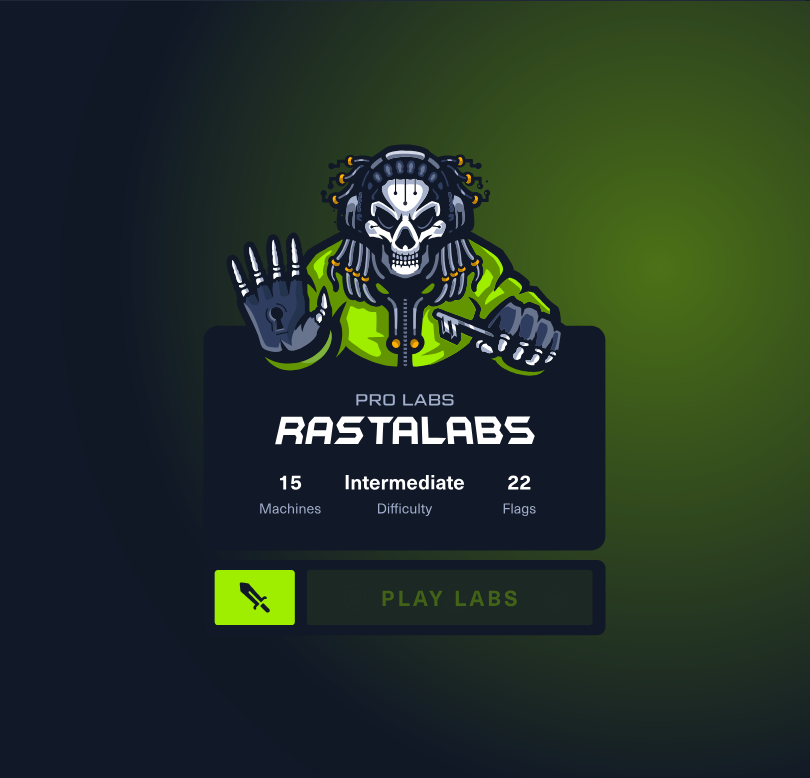
Real-world penetration testing on enterprise infrastructure! Interactive, hands-on, complex scenarios that give you the chance to penetrate enterprise infrastructure. Pick any of our Pro Labs, own it, and get your certificate of completion.
HTB Seasons

13 machines in 13 weeks: who will get more flags?
Enter the new HTB Seasons mode! Dive deep into hands-on hacking with our weekly releases while climbing the leaderboard.
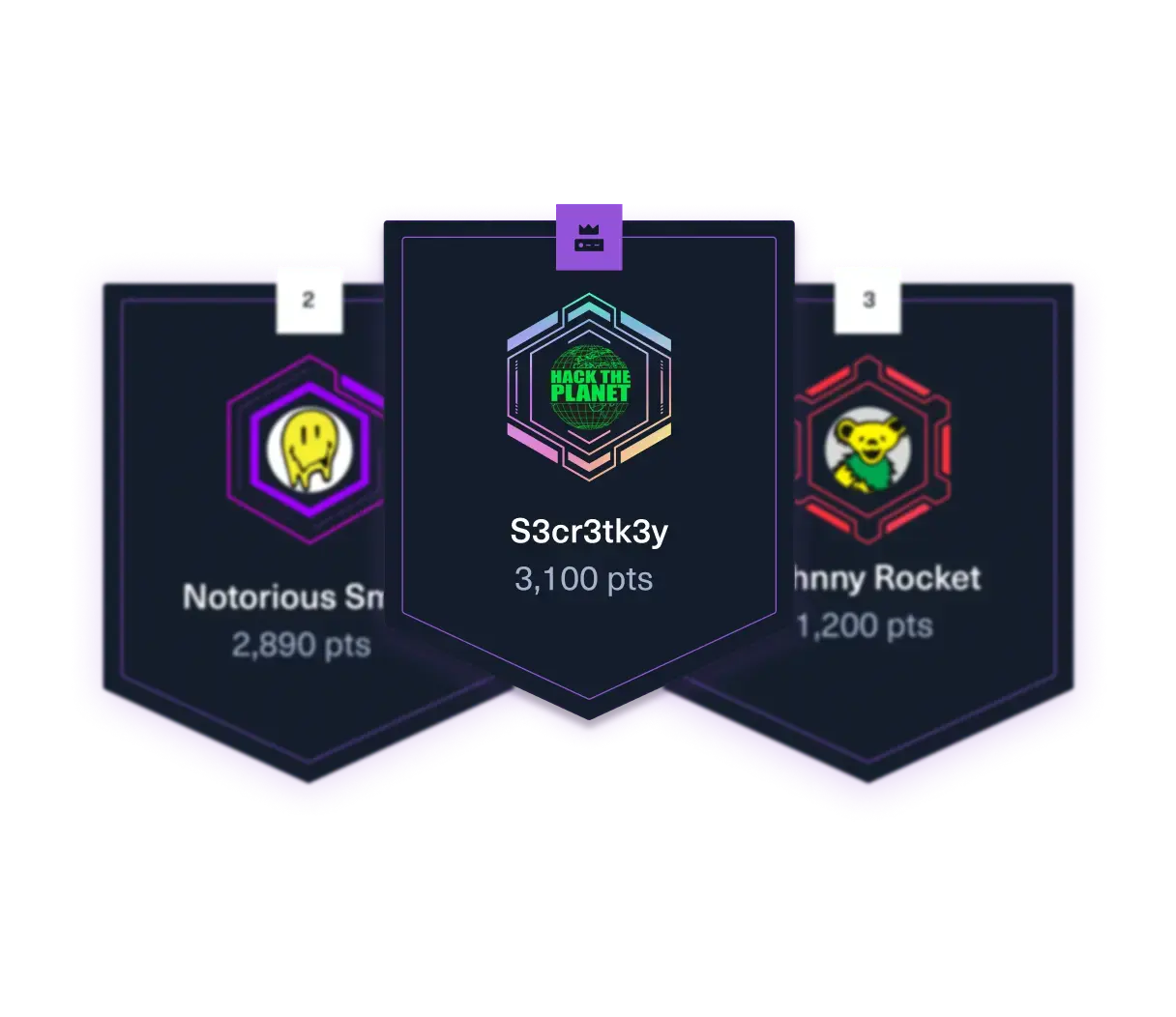
Hacking Battlegrounds
HTB Seasons
Hacking Battlegrounds
13 machines in 13 weeks: who will get more flags?
Enter the new HTB Seasons mode! Dive deep into hands-on hacking with our weekly releases while climbing the leaderboard.
Get Hired in InfoSec
Land your first job in cyber
Recruiters from the best companies worldwide are hiring through Hack The Box. Make them notice your profile based on your progress with labs or directly apply to open positions.
GET CERTIFIED WITH ACADEMY
Put your skills on paper

We educate and introduce aspiring hackers around the globe to the job market. Skyrocket your resume and land your dream job with industry recognized certifications.



Learn to hack from zero.
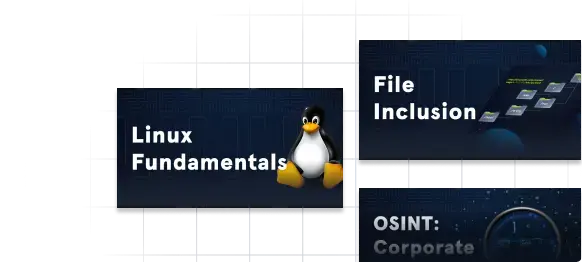
Your Cybersecurity journey starts here

Level up your hacking skills
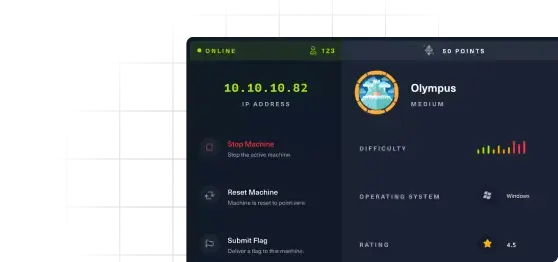
From guided learning to hands-on vulnerable labs.