Threat Readiness

Find your cyber readiness gaps before an attacker does

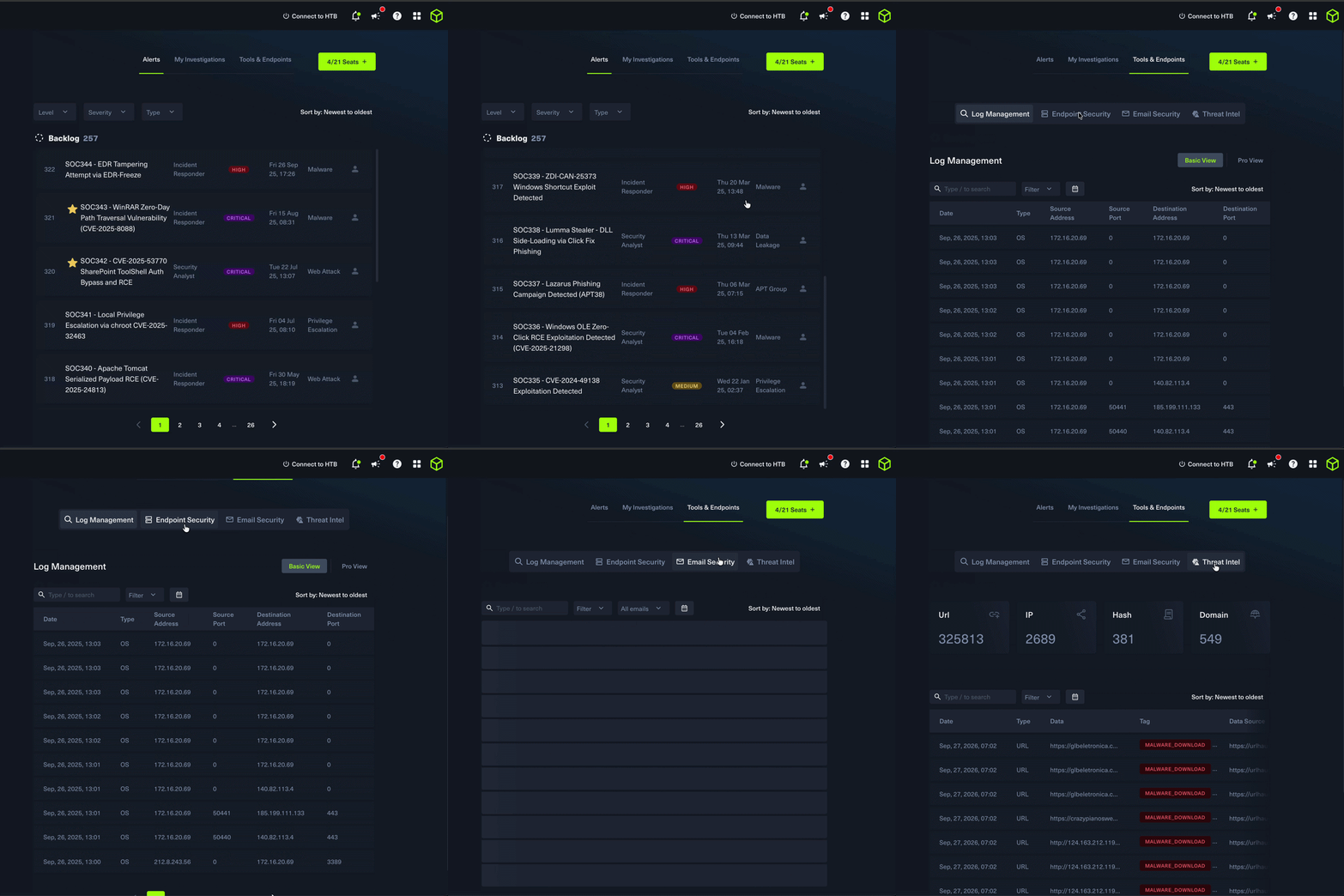
Find out how your SOC and incident response teams perform when an attack puts them under pressure. With HTB, rehearse detection, triage, and team handoffs on live infrastructure, then use the results to close response gaps.
banner-logo-deloittebanner-logo-easportsbanner-logo-toyotabanner-logo-pumaVerizon_SolidWordmark_wht_RGB-1banner_logo_emersonbanner-logo-googlebanner-logo-awsbooking-holdings-logo-1banner-logo-siemensbanner-logo-autodesk-2-1banner-logo-contextbanner-logo-bugcrowdbanner-logo-ynov-campusbanner-logo-intel
Industry recognition Named a Leader in The Forrester Wave™, Q1 2026
Agentic AI readiness
5/5 for Agentic AI Readiness
Global adoption
850+ enterprises
5M+ users

Too many teams discover their incident response gaps during the incident itself

Course completions and static assessments show what people remember, not how they perform under pressure. With adversary breakout times dropping to 29 minutes and AI-enabled operations increasing by 89%, teams need to practice at the speed threats evolve.

Threats move faster than training cycles

Adversaries use AI to accelerate their operations. Static, annual training programs struggle to keep pace with the techniques your team may need to defend against tomorrow.

Triage becomes an escalation bottleneck

Without practical experience, junior analysts escalate false positives alongside genuine threats. Senior responders spend more time clearing queues and less time investigating the incidents that matter.

Untested playbooks break under pressure

A complete runbook is not the same as a rehearsed response. Teams need to practice investigations, decisions, and handoffs together.

Continuous readiness

Completion tells you who trained. Readiness tells you who can respond.

Readiness is not a one-time achievement. Establish your baseline, strengthen the skills that matter, and test performance under pressure. Then use the evidence to guide the next cycle.

01

Assess

Benchmark current capabilities with Capture The Flag assessments and role-based skills scoring.

02

Build

Close identified gaps with hands-on courses, modules, and labs tailored to each role.

03

Drill

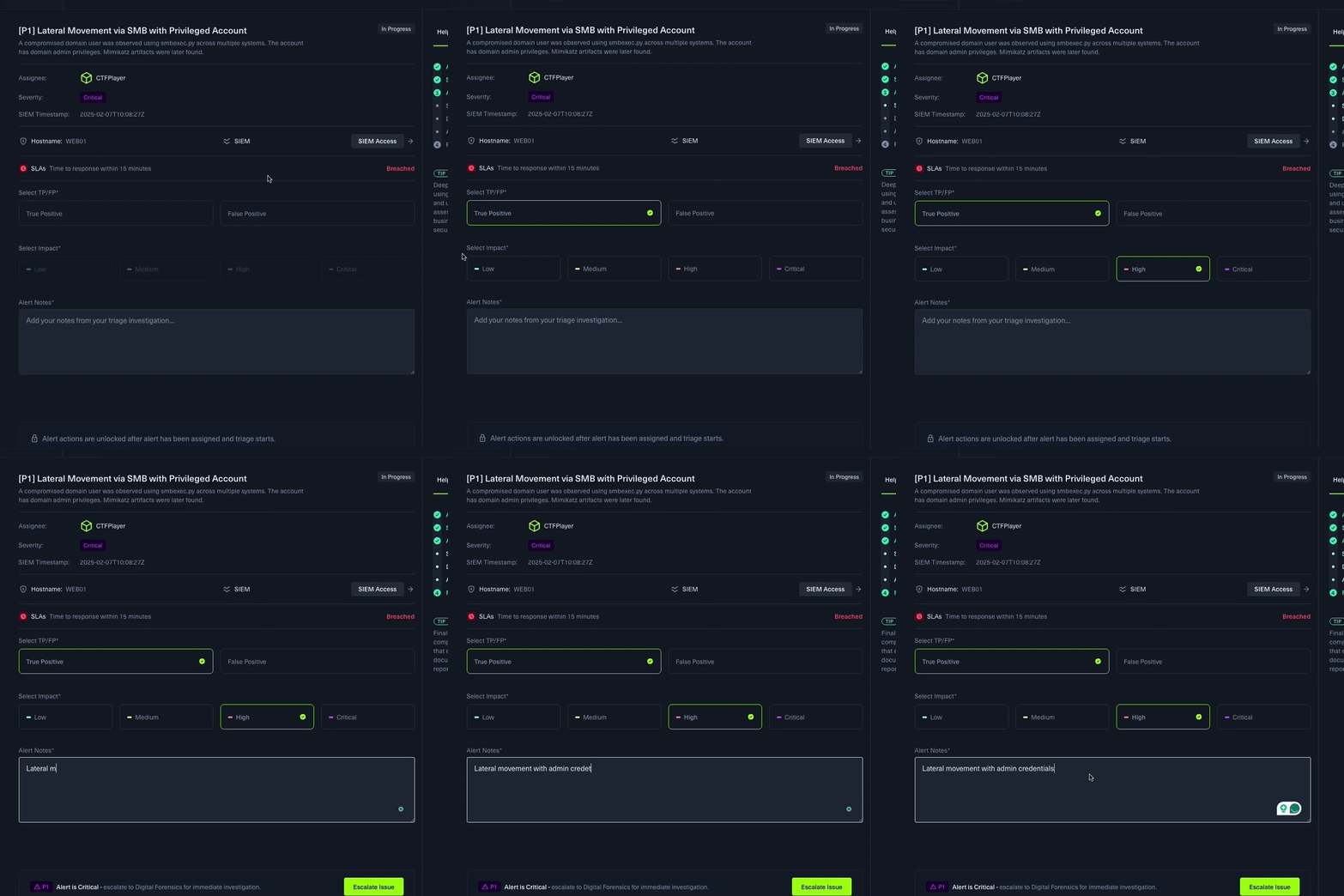
Put teams through realistic incidents and full-chain attack scenarios on live infrastructure.

04

Prove

Measure response improvements, track Operator Readiness Index scores, and report progress to leadership.

Why teams use HTB for threat readiness

Performance, not participation

Focus on operational measures such as MTTA, MTTR, and triage accuracy—not just attendance and course completion.

Real infrastructure

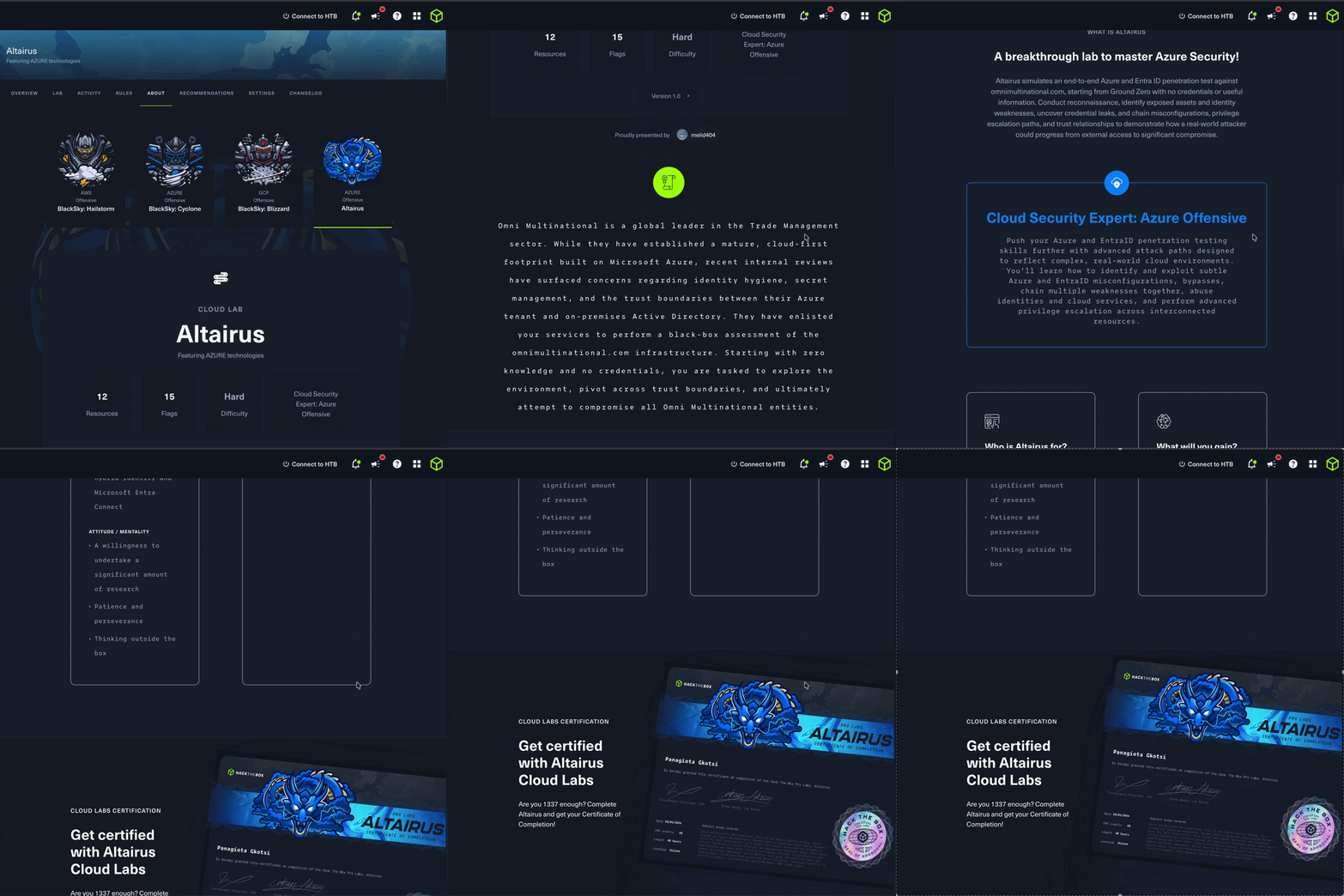
Give teams hands-on experience in live Docker, VM, and cloud environments rather than relying on static, multiple-choice exercises.

Threat content that keeps moving

Practice against scenarios informed by live threat intelligence, with new labs often released within 12–24 hours of major breaking attacks.

Technical and executive alignment

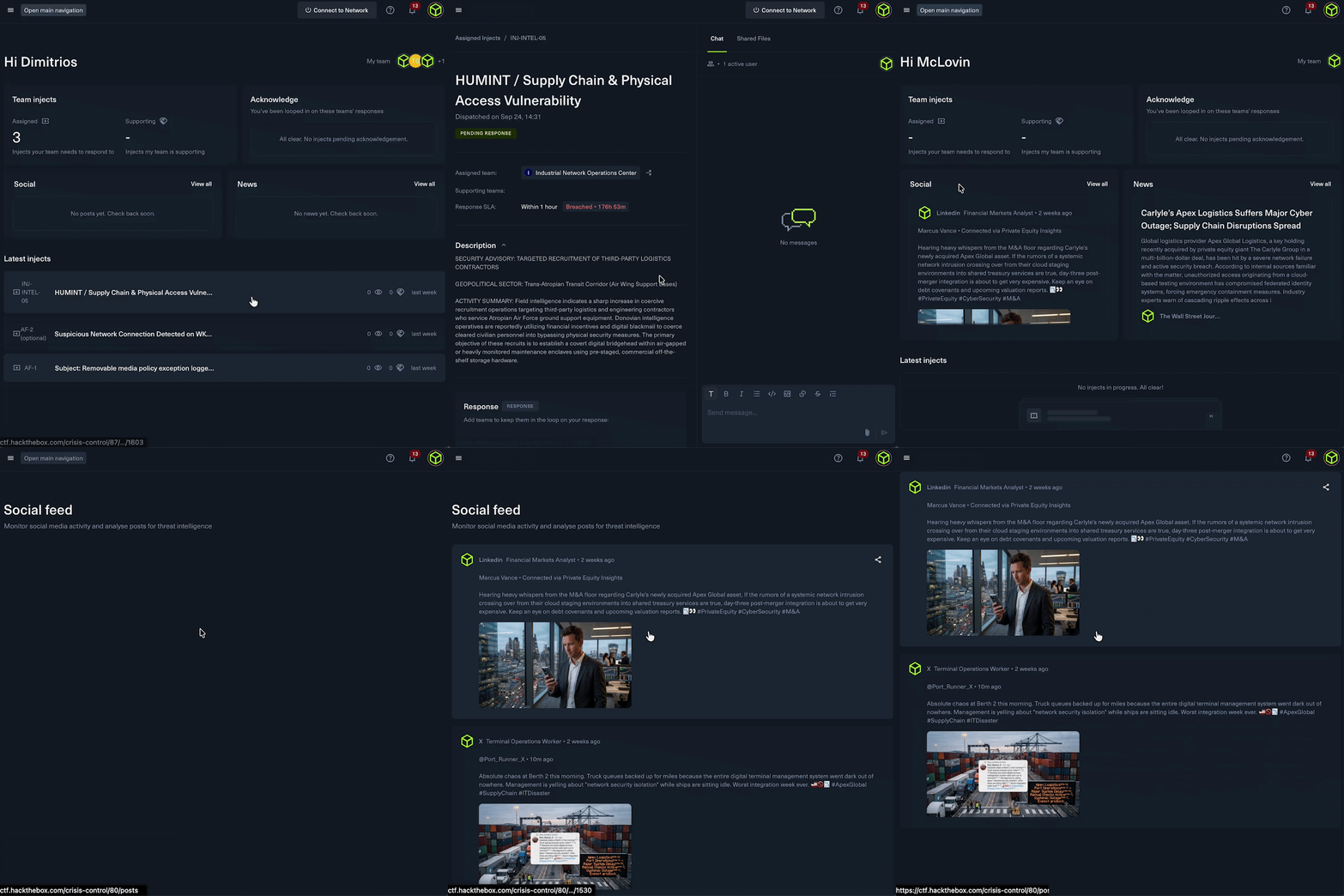
Connect SOC investigations with leadership escalation and crisis decisions through Crisis Control.

Measure the work that matters

NTT Security

We had an incident where one of our IR members had done a Sherlock challenge, and that challenge was the key to solving a case we were working on. The IR member actually said because he had completed a Sherlocks challenge with tactics and techniques similar to those used by threat actors, it made it easier for him to know where to look. Otherwise, it would have been time-consuming to respond to the ongoing incident.

Leandro FerreiraSecurity Analyst @ NTT Security

The Analysts

Forrester recognition

HTB’s vision for hybrid human-AI readiness is called "compelling."

5/5 Agentic AI Readiness

"Organizations looking to engage cybersecurity talent and prepare them for an agentic future through gamified, challenge-based learning will find Hack The Box a strong fit.


G2 CROWD

4.8 ★★★★★

In your demo, we'll show you how to:

✓ baseline team capability
✓ identify role and skills gaps
✓ run realistic attack scenarios
✓ measure triage and response performance
✓ turn results into leadership-ready reporting
✓ build a continuous readiness program around your existing team

Tailored to your team and readiness priorities — not a generic platform tour.

Frequently Asked Questions

How does HTB Threat Range differ from a traditional tabletop exercise?

Traditional tabletops focus on discussion and decision-making. HTB Threat Range adds hands-on technical execution, putting SOC and incident response teams inside realistic, full-chain attacks on live Docker and VM infrastructure. Teams investigate, triage, and respond while their performance is measured.

How quickly are new threats added?

HTB content is continuously updated against live threat intelligence. New scenarios and CVE-based labs are often released within 12–24 hours of major real-world attacks.

Our team is already handling live incidents. How do we make time for drills?

HTB drills are modular and designed to fit around active SOC schedules. Short, focused scenarios help teams practice the judgment behind accurate triage and escalation, addressing the recurring gaps that contribute to day-to-day firefighting.

Stop guessing your cyber readiness. Start proving it.

See how HTB Cyber Workforce Development connects skills assessments, role-based upskilling, live infrastructure drills, and board-ready reporting into one continuous program.

Get a full demo with our team

Fill the form to schedule a live product demo and Q&A about our cyber readiness solutions.

The #1 platform to build attack-ready teams and organizations

Maximum curriculum management flexibility, enhanced skills reporting, and engaging gamification features. Book a demo to get the business results.

Your plan includes:

  • ✓ Unmatched content library
  • ✓ Workforce development plans
  • ✓ Centralized user management
  • ✓ Advanced analytics & reporting
  • ✓ Source, hire, and retain talent

Keep exploring

Product Spotlight

Threat Range

Threat Range helps you prove how well SOC, DFIR, and incident response teams perform when it matters most. Build sharper coordination, expose costly gaps earlier, and give leadership clear evidence of readiness, speed, and resilience.

Whitepaper

Cybersecurity Workforce Intelligence Report

This report examines how organizations and cybersecurity professionals are adapting to emerging risks, particularly those driven by artificial intelligence, which are introducing new attack surfaces and reshaping security priorities.